When the first Tomahawk missiles launched toward Iranian targets in early March 2026, most Americans were watching the news for geopolitical updates. But if you're a gun owner, shooter, or someone in the market for firearms or ammunition, the ripple effects of this conflict are already hitting closer to home than you might think.
Here's a look at what's happening, what it means for the firearms market, and what you should be thinking about right now.
The Military Is Burning Through Munitions at a Staggering Rate
The Pentagon's Operation Epic Fury has already struck more than 1,700 targets in Iran. According to Washington Post reporting, the first 36 hours alone consumed over 3,000 precision-guided munitions and interceptors, with an estimated price tag of $5.6 billion in munitions expenditure during just the first two days.
The systems being used — Tomahawk cruise missiles, Patriot and THAAD interceptors, HIMARS rockets, and guided bombs — are expensive, limited in supply, and slow to manufacture. Each Tomahawk fired is one less available for other contingencies, and the U.S. was already dealing with depleted stockpiles from years of support to Ukraine and operations against Houthi forces in the Red Sea.
Before the Iran conflict even started, the Pentagon had secured emergency production agreements with Lockheed Martin and RTX to ramp up output — quadrupling annual Tomahawk production to over 1,000 units and boosting THAAD interceptor production from 96 to 400 per year. That tells you how thin inventories already were.
What This Means for Civilian Ammunition
You might be wondering: what do cruise missiles have to do with the price of 9mm? More than you'd think.
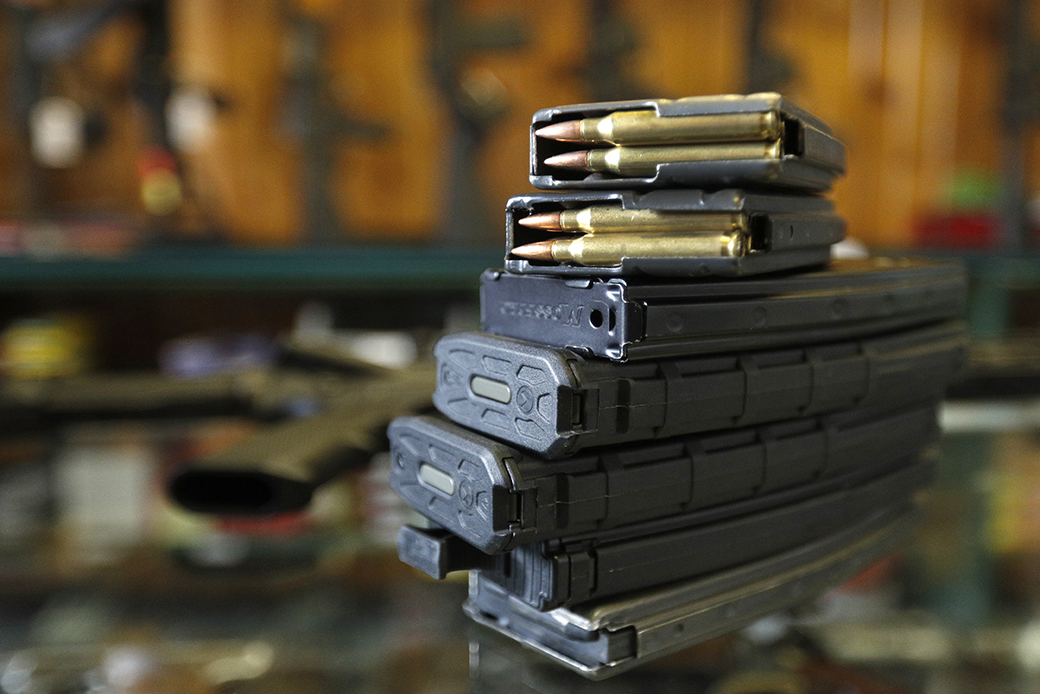
When the U.S. military enters a sustained conflict, defense manufacturing goes into overdrive. Facilities like Lake City Army Ammunition Plant — which produces a massive share of the military's small arms ammunition — must prioritize government contracts. When the military needs more rounds, production lines dedicated to civilian sales are the first to get cut back or paused entirely.
We've seen this pattern before. During the wars in Iraq and Afghanistan, civilian ammo dried up and prices spiked. During COVID and the 2020 civil unrest, panic buying combined with manufacturing slowdowns created shortages that lasted over two years. The Iran conflict has the potential to trigger the same cycle.
Ammunition Prices Were Already Climbing Before Iran
Even without a war, 2026 was shaping up to be an expensive year for ammo buyers. Winchester Ammunition notified retailers of price increases effective January 2026, with hikes ranging from 5% to 10% across their entire product line. Multiple retailers have reported receiving similar notices from nearly every ammunition supplier they work with, and price reviews are now happening quarterly instead of annually.
The cost drivers are real and structural:
- Gunpowder and nitrocellulose — There's a global shortage of smokeless powder, with a significant portion of supply sourced from China. Geopolitical tensions aren't helping.
- Copper — Electric vehicle manufacturing is competing heavily for the same copper used in brass casings and bullet jackets, driving prices up across the board.
- Lead — Mine closures and tightening environmental regulations are pushing refined lead costs higher.
- Primer chemicals — Manufacturing costs for primer components have risen steadily.
The Iran war is now compounding all of these existing pressures. At least one manufacturer, AAC (America's Ammunition Company), had already suspended operations after their primary powder supplier diverted inventory to military contracts.
Gun Sales Are Still Strong
According to NSSF-adjusted NICS data, February 2026 saw a 3.5% increase in gun sales — the seventh consecutive month with more than one million background checks. NFA checks (suppressors, SBRs, etc.) surged 167% year-over-year, with over 200,000 NFA checks processed in February alone.
The demand side of the equation is holding steady. More people are buying guns and accessories, and when you combine strong demand with tightening supply, prices go in one direction.
What History Tells Us
Every major conflict or period of uncertainty in the last 20 years has triggered the same pattern in the firearms market:
- Military production ramps up, squeezing civilian supply
- Raw material costs increase as defense contracts outbid commercial buyers
- Consumer panic buying kicks in, creating artificial shortages on top of real ones
- Prices spike and availability drops, especially for popular calibers like 9mm, 5.56, and .223
- It takes 12–24 months to stabilize after the initial disruption
We're in the early innings of this cycle right now. The question isn't whether prices will go up — Winchester and others have already told us they will. The question is how much, and for how long.
What You Should Do Right Now
We're not in the business of fear-mongering, and this isn't a "buy everything before it's gone" sales pitch. But here's practical advice based on what the data is telling us:
- Don't panic buy, but don't wait either. If you've been putting off an ammunition purchase or a firearm you've had your eye on, current prices are likely the lowest you'll see for a while.
- Stock your training ammo now. Range ammo in common calibers (9mm, .223/5.56, .45 ACP, 12 gauge) is most vulnerable to price spikes because it's high-volume and uses the same components the military needs.
- Watch for deals and buy smart. Retailers who bought inventory before the price increases can still offer competitive pricing — but those supplies are finite.
- Consider less common calibers. Niche calibers that don't overlap with military contracts tend to be more price-stable during conflicts.
How TheGunDock Is Handling It
We source from 19+ distributors across the country, which gives us a significant advantage in keeping products available and competitively priced. When one supplier runs low or raises prices, we can often find the same product through another channel.
We're watching the market daily. Our pricing engine updates in real-time across all distributor feeds, so you're always seeing the best available price. We're also holding our margins steady — we're not going to jack up prices because of headlines.
If you have questions about availability, pricing, or want to plan a larger purchase, don't hesitate to reach out to us. We're here to help you make smart buying decisions, not reactive ones.
TheGunDock is a licensed FFL dealer based in Paris, Kentucky. We offer competitive pricing on firearms, ammunition, and accessories from 19+ wholesale distributors with fast shipping nationwide.
Related reading: Curious about firearms law inside Iran itself? See our companion piece: Iran Civilian Gun Ownership Laws in 2026.